MCP and the New Integration Layer for AI
As enterprise AI matures, integration is becoming the layer that determines what intelligent systems can access, what they can do, and how safely they can operate.
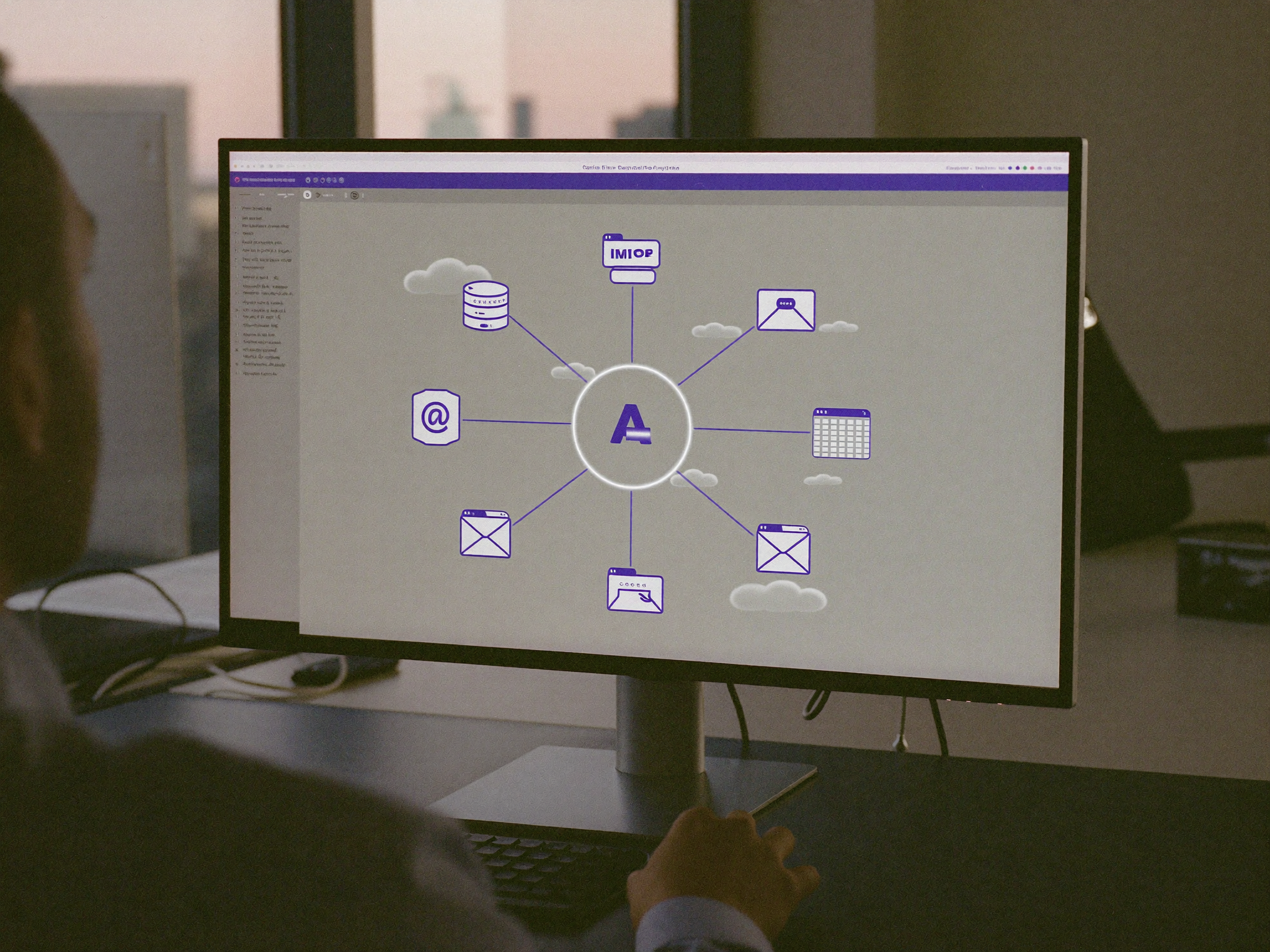
The next chapter of enterprise AI will not be defined by models alone. It will be defined by connectivity.
AI can generate answers, summarize information, and surface recommendations with impressive speed. But none of that creates durable enterprise value unless intelligence can interact with the systems where work actually happens. Data lives in one place. Processes live in another. Actions happen inside applications, APIs, and platforms spread across a fragmented estate. Until AI can securely and reliably operate across that environment, most of its promise remains trapped at the edge.
That is why integration is returning to the center of the technology conversation.
For years, integration was often treated as critical infrastructure but not always strategic infrastructure. It was the plumbing behind application connectivity, the layer that kept data moving, and the mechanism that held complex environments together. Today, that same layer is becoming the interface through which AI can understand context, retrieve information, and participate in execution.
Intelligence needs a path into the enterprise
One of the clearest lessons emerging from enterprise AI is that intelligence without access has limited impact.
An AI system may be capable of reasoning, but it still needs trusted ways to retrieve business data, invoke tools, interact with workflows, and respect operational boundaries. It needs context. It needs permission. It needs structure. That is why APIs, connectors, orchestration frameworks, and emerging standards are becoming so important.
The challenge is not simply getting AI connected. It is getting AI connected in a way that is reusable, governed, and scalable.
One off integrations may be good enough for demos. They are rarely good enough for enterprise operations. As organizations expand AI use cases, they need connection models that make it easier to plug intelligence into the business without rebuilding trust and governance from scratch each time.
Why this changes the role of integration teams
This moment represents a major evolution for integration leaders.
Integration teams are no longer only responsible for helping systems communicate. They are increasingly responsible for creating the interface layer that makes AI operational. That means designing the pathways through which intelligent systems access data, trigger actions, and participate in business processes.
In effect, integration becomes the control surface for AI.
That role touches architecture, security, identity, data quality, API design, observability, and policy enforcement. It also elevates integration from a technical necessity to a leadership priority. The enterprises that treat integration as strategic infrastructure will be in a much stronger position to scale AI across departments, workflows, and business functions.
MCP and the shift toward structured AI connectivity
A growing part of this conversation now centers on emerging frameworks and protocols designed to make AI interaction with enterprise tools more structured and repeatable. That matters because the enterprise challenge is not just about letting AI "connect" to something. It is about creating standardized ways for AI systems to access tools and context while staying within clear boundaries.
This is exactly why conversations around agent ready architecture are becoming more important. Technology leaders want AI that can do useful work, but they also want consistency, transparency, and control. Structured connectivity helps create that.
The more mature the connection layer becomes, the easier it is to make AI usable across real business environments. Instead of fragile integrations built for narrow use cases, organizations can start building reusable pathways that support more durable adoption.
The future of enterprise AI will depend less on what models can generate and more on what enterprise systems allow them to reach, understand, and execute.
Modernization now means AI readiness
This shift also changes what modernization means.
For many organizations, modernization has traditionally focused on replacing legacy applications, moving to the cloud, or consolidating systems. Those goals still matter, but AI is forcing a broader view. A truly modern environment is not just newer. It is more connected, more governable, and more adaptable.
If systems are disconnected, if data is inconsistent, or if APIs are poorly managed, AI quickly runs into dead ends. The result is a gap between what organizations imagine AI can do and what it can actually support in production.
That is why integration is now deeply tied to modernization. The work of connecting systems, standardizing access, and improving interoperability is no longer just about efficiency. It is about creating the operational conditions for intelligence to be useful at scale.
What leaders should focus on next
For CIOs, CTOs, CDOs, and enterprise architects, the opportunity is to treat integration as part of the AI strategy itself, not as a downstream technical task.
That means asking sharper questions:
- Which systems need to be exposed through governed APIs?
- Where are the biggest connectivity gaps blocking automation and AI?
- How reusable are our current integration patterns?
- Can intelligent systems access trusted context across the business?
- Do we have the right controls in place for tool invocation and workflow execution?
Leaders who answer those questions early will have a significant advantage. They will be able to move faster, expand use cases more confidently, and avoid building AI on top of brittle, disconnected foundations.
The strategic takeaway
The new integration layer is about much more than linking applications. It is about determining whether AI can become operationally meaningful across the enterprise.
As intelligent systems spread, the integration layer becomes the bridge between reasoning and execution. It defines what AI can see, what it can touch, and how safely it can act. In that environment, integration is no longer back office infrastructure. It becomes one of the key enablers of enterprise agility, modernization, and scalable AI adoption.
For technology leaders, that is the real signal. The future of AI will be built not only on smarter models, but on smarter connectivity.
Looking for leaders shaping the future of connected enterprise technology?
Discover interviews and insights from the people rethinking integration, automation, and modernization for the AI era.